
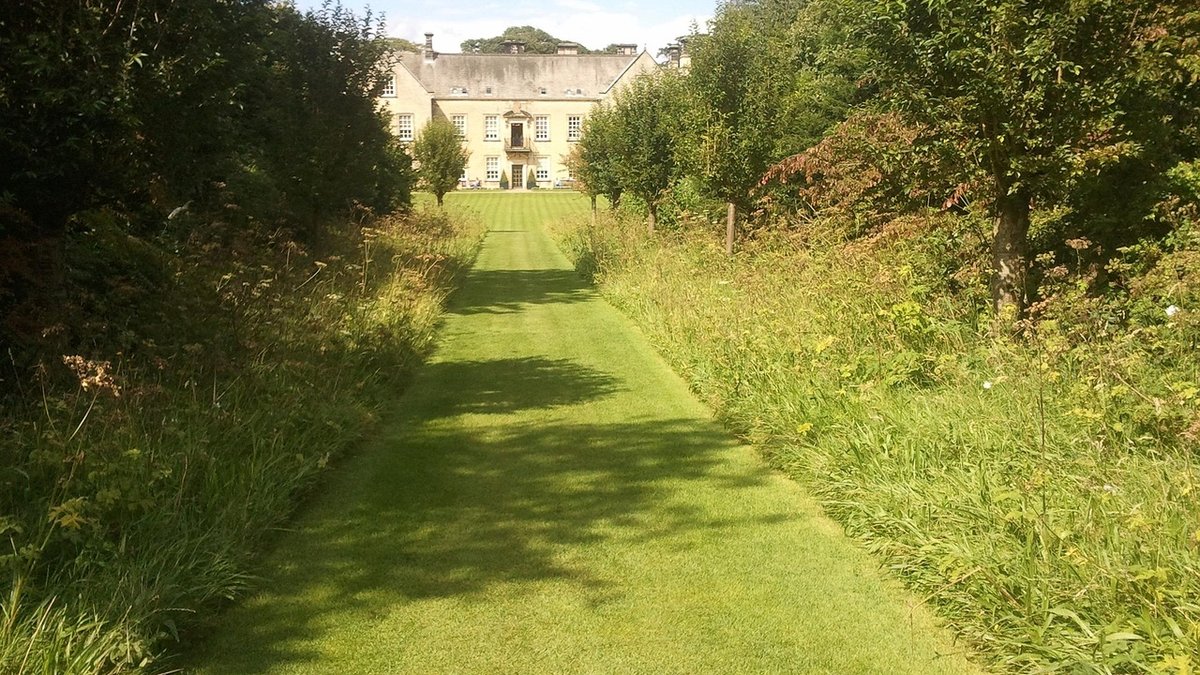
There is a particular sort of picnic that never makes it into the glossy brochures. There is no numbered bay, no queue for the bins, no argument about whose turn it is to carry the cool bag back to the car. Just a strip of grass beside a single-track lane, a gate you are carefully not blocking, and a skylark doing its best above a field of barley. Car parks are convenient, but they are also where everybody else goes. Quiet lanes are where the good stuff happens — provided you spend five minutes thinking before you unload the boot.
The trick is not to find the perfect spot. It is to find a perfectly decent spot that nobody else has claimed, and then to leave it exactly as you found it. That is the whole art of the roadside picnic, and it is a skill worth having.
Start by looking at the map rather than the road. Ordnance Survey sheets show you the lanes that go nowhere in particular, which are usually the best ones. A few things to weigh up before you pull in:
Rural Britain is a working landscape, not a film set. The field you are admiring may be rented, tenanted, or holding a herd that is about to be moved. So keep it simple and keep it respectful.
Leave gates as you find them — open if open, closed if closed. Do not climb walls or squeeze through hedges to reach a nicer view. Keep dogs under close control near livestock and on a lead around sheep, especially in spring when there are lambs about. Avoid lighting fires or disposable barbecues; a dry verge in August is a tinderbox, and the local fire crew has better things to do. If a farmer or a landowner asks you to move on, move on cheerfully. It is their land, and a polite wave costs nothing.
Roadside picnics reward a bit of forward planning. The ground is uneven, the wind is unpredictable, and there is often nowhere to sit except the grass.
This is where decent people get caught out. Orange peel and apple cores do not biodegrade quickly in a cool British verge; they sit there looking like litter for months. Tea bags, cling film, napkins, the crusts the children have hidden under the rug — all of it goes home with you.
Do not feed the livestock, however sad the sheep looks. Do not pick wildflowers, even the ones you are sure are just weeds. Do not move stones from a dry stone wall to make a seat. If you have brought a chair, take it back with you; if you have shifted a log to sit on, put it back.
The test is simple: when you drive away, the spot should look as though nobody has been there. Anyone walking past an hour later should have no idea you enjoyed a pork pie and a rather good slice of fruit cake on that exact patch of grass.
Before you drive off, do one slow lap of the site. Check under the car, behind the gate, along the verge and around anything you used as a table. Collect the stray crisp packet, the twist of foil, the dog lead you laid down and forgot. Then look at the view once more, take a proper breath of the good country air, and get back in the car.
That is the whole pleasure of it: a simple meal in a quiet place, no queue, no charge, no fuss. Just a flask, a folding rug and a lane that most people drive straight past.

Hi, my name is Anthony kuber. I am artist and fashion designer.
I love to travel and writing blogging.
Your email address will not be published. Required fields are marked *
Software Developer & Writer
Hey, I'm Diva, a developer and writer blending code and creativity. I'm driven by a deep curiosity and a relentless pursuit of excellence. Join me as I craft digital solutions and captivating stories.


