
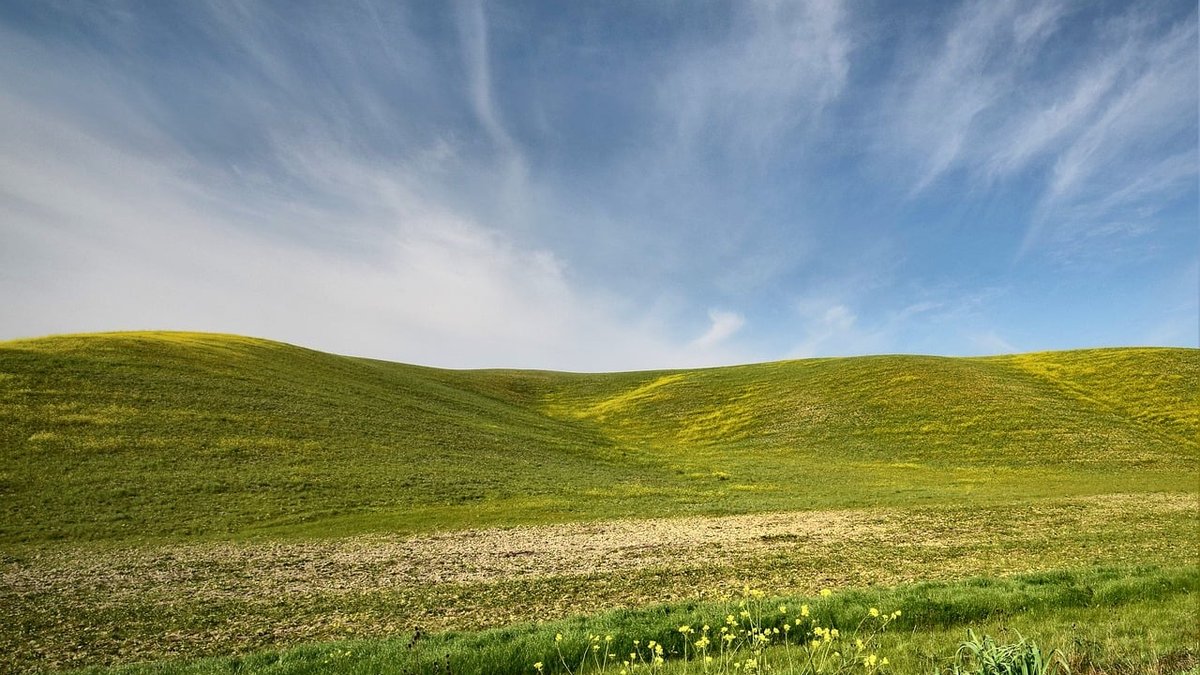
There is a particular moment in early spring when the countryside seems to hold its breath. The frosts still come at night, the wind still bites across the fields, and yet something has shifted. The birds are at it before six, the daffodils are shoving up through the leaf mould, and the grass has that slightly smug look of something about to grow whether you like it or not. This is your cue to get the boots on and the tools out — gently, mind. Spring gardening is less about force and more about persuasion.
Below are the seasonal jobs that reward you most in a country garden. None of them require a fancy gadget or a degree in horticulture. A decent pair of secateurs and a bit of patience will see you right.
Late February into early March is the traditional window for pruning bush and shrub roses, just as the buds begin to swell but before the leaves break. Leave it too late and you will cut off the very growth you were hoping for.
While you are at it, give hydrangeas, buddleia and cornus a tidy. The general rule for spring pruning is simple: anything flowering on this year's growth gets cut now; anything flowering on last year's wood waits until after it has flowered. Get that backwards and you will spend the summer admiring a very handsome, very flowerless shrub.
Hardy annuals are the great unsung heroes of the country garden. They are cheap, they self-seed with enthusiasm, and they fill gaps that would otherwise sit there looking apologetic. Cornflowers, calendula, nigella, poppies, sweet peas and larkspur can all be sown outside now, provided the soil has warmed a little and is not waterlogged.
Prepare a seed bed by raking the surface to a fine tilth — the sort of crumbly texture that makes you feel briefly like a proper gardener. Sow in shallow drills or scatter thinly and dust over with soil, roughly twice the depth of the seed. Water gently with a rose attachment rather than blasting them into next week with the hose.
Thin the seedlings as they come up. It feels brutal, pulling out healthy little plants, but overcrowding is what turns a promising border into a scruffy green fog. If you can bring yourself to do it, you will be rewarded with sturdier plants and far more flowers.
If you grow your own, March is busy in the best way. The soil is workable, the days are lengthening, and everything wants to be in the ground at once.
Do not forget the netting. The pigeons have been watching your brassicas since January and they know exactly what you are up to.
The first cut of the season should be a light one — raise the blades and take just the top off. Scalping a wet lawn in March is the fastest route to a summer of moss and regret. Wait for a dry day and a mower that starts on the first pull, which in most country sheds is a fond hope rather than a certainty.
Weed the borders while the ground is soft, getting the roots out properly rather than snapping them off at soil level. Dandelions and ground elder will not be defeated by wishful thinking. And if the moles have been busy overnight, resist the urge to declare war. Rake the hills flat, firm them down, and accept that the mole was there first. The neighbour's cat will take a keen interest in proceedings and contribute nothing whatsoever.
Mulch everything you can. A generous layer of compost or bark chippings suppresses weeds, holds moisture and feeds the soil, which is the closest thing to a free lunch in gardening. Keep an eye on the forecast, because a late frost in May has humbled better gardeners than either of us, and a bit of fleece over tender shoots costs nothing compared with starting again.
Most of all, do not try to do it all in one weekend. The countryside does not rush into spring and neither should you. Potter about, enjoy the first proper cup of tea on the garden bench, and let the garden tell you what it needs. It usually will — loudly, and often at the most inconvenient moment.

Hi, my name is Anthony kuber. I am artist and fashion designer.
I love to travel and writing blogging.
Your email address will not be published. Required fields are marked *
Software Developer & Writer
Hey, I'm Diva, a developer and writer blending code and creativity. I'm driven by a deep curiosity and a relentless pursuit of excellence. Join me as I craft digital solutions and captivating stories.


